
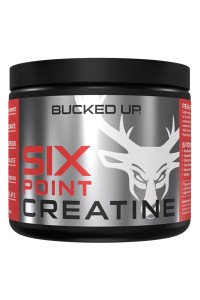


Creatine Supplements
Creatine supplements are one of the most studied options for improving strength, power, and high-intensity training performance. If you’re pushing heavier weights, chasing extra reps, or trying to train harder without fading, creatine can be a simple and reliable addition to your stack.
Shop creatine powders, capsules, and gummies to match your routine, your budget, and your preferred format.
What Is Creatine?
Creatine is a naturally occurring compound stored mostly in skeletal muscle. Your body makes some creatine on its own, and you also get it from foods like red meat and fish. Supplementing helps increase your muscle creatine stores, which supports ATP production (ATP is the quick energy your body uses for short, intense efforts).
In simple terms, creatine helps you produce energy faster during hard sets, sprints, and explosive training. Over time, that can translate into better training quality and better results.
Creatine Benefits for Strength and Muscle Growth
Creatine is popular for one reason (it works when you train hard and use it consistently). Key benefits often include:
- Improved strength and power output during resistance training
- Better repeat-effort performance (more quality reps and sets)
- Support for lean mass gains over time by helping you train with more volume and intensity
- Increased muscle creatine stores (often paired with a noticeable increase in muscle water content)
-
Potential cognitive support in some individuals, particularly under conditions of mental fatigue or sleep deprivation (results vary by individual)
Why Creatine Is a Staple in Many Stacks
Creatine plays well with other performance basics. Many lifters stack it with a pre-workout for training intensity, or amino acids and recovery nutrition to support total training output. Creatine itself is not a stimulant, so it fits just as easily on heavy training days or rest days (consistency matters most).
Best Creatine Supplements to Try
If you want something easy to choose, start with a proven daily creatine option, then decide whether you want a straight creatine product or a blend with added recovery or performance support.
- Alpha Lion SuperHuman Post: A post-workout style formula that includes creatine alongside recovery-focused ingredients (solid choice if you want an “all-in-one” post-training approach).
- Bucked Up Buck Build Creatine + Glutamine: A blend that pairs creatine with glutamine support (great for lifters who want extra recovery-oriented ingredients in one tub).
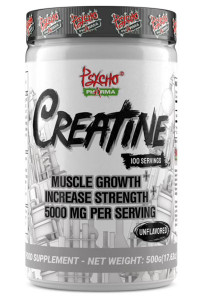
- Psycho Pharma Creatine: Straightforward creatine monohydrate (simple, no fluff).
- Wild Thing by Assault Labs: A performance blend geared toward training energy, focus, and overall workout support (best if you want more than just creatine).
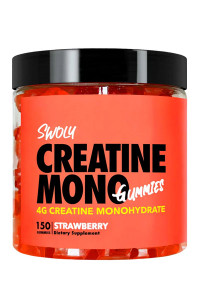
- Swoly Creatine Gummies: Convenient gummy format (useful if you hate mixing powders or want grab-and-go dosing).
How to Take Creatine
The best “timing” is the timing you’ll actually stick to. Creatine works through consistent saturation, not a one-time spike.
When to Take It
- Post-workout: Popular and easy to attach to a routine.
- Pre-workout: Also fine (especially if it’s already included in your pre-workout).
-
Any time of day: Totally acceptable (consistency beats “perfect timing”).
Recommended Dosage
- Maintenance: Most people do well with 3 to 5 grams daily.
- Optional loading phase: Some athletes use 20 grams per day split into 4 doses for 5 to 7 days, then switch to 3 to 5 grams daily. Loading is optional (you still get results without it).
With Food or Empty Stomach?
Most people tolerate creatine well either way. If you ever notice stomach discomfort, take it with a meal or split the dose (example: 2 grams twice per day).
There are several types of creatine supplements available on the market, each with their unique advantages:
- Creatine Monohydrate: This is the most researched and widely used form of creatine. It has consistently been shown to support strength gains, muscle size, and training performance when used at standard daily doses.
- Creatine Ethyl Ester: Often marketed as having improved absorption, this form may be preferred by individuals who report digestive discomfort with creatine monohydrate, though research results are mixed.
- Creatine Hydrochloride (HCl): Creatine HCl is highly soluble and may be easier on the stomach for some users. It is often used in smaller serving sizes due to its solubility, though overall effectiveness still depends on total daily creatine intake.
- Buffered Creatine: Buffered creatine is formulated to maintain stability in acidic environments and is often promoted for improved digestive comfort. Individual response varies, but it can be a suitable alternative for users sensitive to standard creatine forms.
- Creatine Nitrate: Combines creatine with a nitrate source (often used in pump-focused formulas).
When selecting a creatine supplement, consider the following factors:
- Brand Quality: Look for reputable brands with strong quality control standards and transparent manufacturing practices.
- Product Purity: The best creatine supplements contain minimal fillers, dyes, or unnecessary additives.
- Serving Size and Dosage: Ensure the product provides an effective dose that aligns with recommended daily intake.
- Price Per Serving: Compare cost per effective serving to determine overall value.
- User Reviews: Customer feedback can offer insight into mixability, tolerance, and real-world results.
When using creatine supplements, follow these general guidelines:
- Daily Dosage: Most users benefit from 3–5 grams per day to maintain elevated muscle creatine stores.
- Timing Flexibility: Creatine can be taken pre-workout, post-workout, or any time of day based on preference.
- Consistency: Daily use is more important than precise timing for long-term results.
- Loading Phase (Optional): Some users choose a short loading phase to saturate muscles faster, though it is not required.
- Mixing Options: Creatine can be mixed with water, juice, or added to a protein shake for convenience.
Commonly Asked Questions about Creatine
Creatine helps increase muscle creatine stores, which supports ATP production for short, intense efforts. That can help you get more high-quality reps and stronger training sessions over time.
For healthy adults, creatine is widely studied and generally considered safe when used as directed. If you have a medical condition (especially kidney-related concerns), check with a healthcare professional first.
Some advanced athletes may temporarily use higher intakes under structured training protocols, but most people achieve full benefits with 3 to 5 grams per day.
Any time that helps you stay consistent. Post-workout is popular, but daily consistency matters more than timing.
Yes. Creatine stacks well with pre-workouts, amino acids, protein, and recovery formulas.
Cycling is not necessary when using creatine. Most people use creatine continuously year-round.